Core Principles: CP 3 / CP
Situation
The University of the Arts London (UAL) introduced a new policy requiring the recording of in-person teaching sessions to enhance accessibility and inclusivity.
This policy aligns with UAL’s commitment to the Social Model of Disabilities, which emphasises removing barriers to ensure equal access for all students.
The release of this policy coincided with my undertaking the second unit of the PG Cert – Inclusive Practice Unit.
My response to the release of this policy was to produce a digital resource in the context of my unit focusing on inclusive practice.
Task
My first task was to emphasise why it was important for staff to understand how recording live teaching could benefit students. The second was to support our academic staff to achieve this.
To achieve this, I needed to identify a straightforward and accessible workflow that staff could follow to achieve what the policy was recommending.
Action
So, as a direct response to the UAL Education Video policy, and taking inspiration from the disabilities team resource ‘Recording Taught Sessions’, I designed and developed a webpage that explained the importance of recording in-person teaching with case studies, provided step-by-step instructions, including best practice and trying to address some of the major concerns around recording teaching. This would allow staff to access this information in their own time.
To complement the webpage, I created a quick reference print sheet that staff could easily access and print to use as a guide during their teaching sessions.
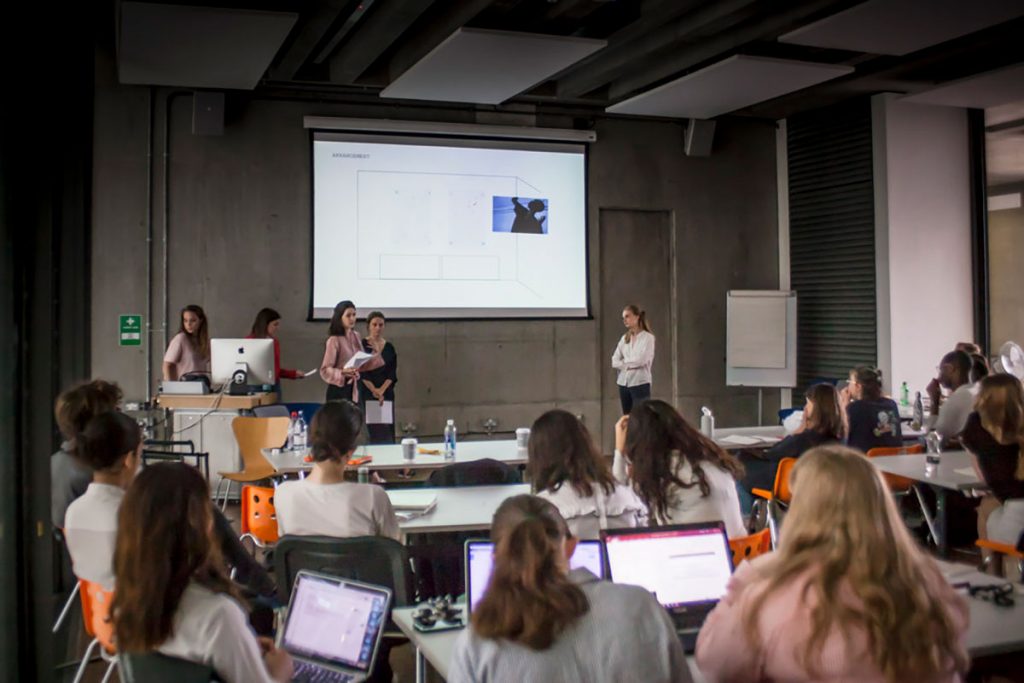
To build on this work, I organised and led a training session to help staff build their confidence in recording their live lectures. This session was designed as a live, in-person session to replicate their actual teaching styles. This would allow staff to get hands-on experience in an environment they would be teaching in.
Results
The resources and training sessions helped some staff understand the importance of recording their teaching sessions and how to do it easily within the constraints of the technology available to us at UAL.
I also believe the addition of a training session was important for some staff. Providing staff with an alternative way into the topic. Those staff who attended the session reported they found it useful.
Reflections
Ultimately, however, this topic is still quite controversial at CSM. Teams are also quite siloed. There are still lots of staff who link recording to reduced attendance or issues with intellectual property. This is then coupled with issues around the technical infrastructure. Issues of mics and WIFI in seminar rooms. So it feels like a mountain to overcome. As our team is quite small, it feels like our voice seems quite small in the mix, and without the ability to mandate the process, it still feels like a hard sell.
There is currently work underway, looking at the current state of AV systems in the building. I think this will help us to understand the technical challenges that staff face. I hope it will help us to address the practical barriers. In terms of providing staff with a more consistent experience and useful guidance on how to use the equipment.
In terms of overcoming the ideological objections, I think we need to put more work into countering the narratives. There are two ways we can do this: by highlighting the research around this issue. However, I think it would also be useful to harness the student voice more. We just need to keep talking about it.
Evidence
Policy
Social model of disablity
Get statement from Wande
Feedback from Carys
Session plan